Originally published on TheTrek.co in November, 2014. Click this link to view the original post.
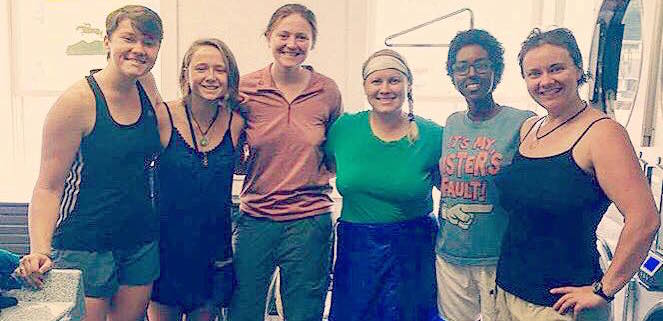
Over the last couple of months I have been planning and going on shakedown hikes to test gear and get some trail miles under my belt before heading out for my thru-hike next spring. One very big thing I’ve noticed is that women are very poorly represented.
The ugly truth.
This really hit home for me when I started looking for hiking partners. On every section that I’ve hiked, I ended up hiking with a male hiking partner. Once, a female friend joined me and the guy I was meeting up with for the section. I tend to post on various facebook groups about my plans (vaguely, for safety reasons) and lots of people respond with interest, and they are almost all men.
Now, I don’t mind hiking with men. I tend to enjoy it. My poor mother must have nerves of steel, being the one to bear the burden of hanging onto my GPS coordinates and knowing that I’m meeting a man, who is often a total stranger, at a trail-head. However, it would be cool to occasionally have female companionship, to share a passion and love for hiking with another girl. I decided to look into it a bit.
The facts of the matter.
In doing some research, I found a very interesting paper published by the NIH that studied long-distance backpacking in women, specifically women on the Appalachian Trail (man, would my master’s degree have been more interesting if this had been my research topic!)
The study claims that women are more likely to feel constrained by safety concerns, inadequate facilities, and fear of pests than men are. It also says that women are much less likely to hike alone than men, which could have something to do with the difference in numbers. The survey included men and women who hiked more than 7 consecutive days in one trip. I found it very interesting that the researchers found that only 57% of the women surveyed finished their intended hike, while 72% of men did, considering that the Appalachian Trail Conservancy reports that around 25% of completing thru-hikers are women, even though the number of women attempting a thru-hike compared to men is a smaller percentage (exact number unknown but most sources say somewhere between 15-20% of attempting thru-hikers are women.)
But girls are good at hiking…
Most articles on the matter quickly delve into reasons why women excel at long distance hikes. Women tend to carry more body fat and therefore do not become as emaciated as men during their hikes. While most women are shorter, with shorter legs, therefore hiking slower, women tend to have greater endurance and can go just as far, if not farther than most men. Liz Thomas (trail name Snorkel) thru-hiked in 2008 and in her article for American Hiker, she states that her biggest concerns, and what she felt like were the biggest concerns for most young women on the trail, were how men would treat her in such a male dominated climate, and especially in resupply towns. What she found was that she did not feel unsafe on the trial or in town, although she did compare thru-hiking with a bunch of men to working or going to school in male-dominated areas. She states that women on the trail do sometimes have to deal with sexist remarks and actions, but that for the most part the guys are completely harmless. The NIH article states that researchers found no significant difference in frequency of injury or illness between men and women long distance hikers, and, other than menstruation issues, found no reason why women should shy away from hiking or should be less likely to finish.
So, where my girls at?
LADIES! Where are you? And why aren’t you enjoying and taking advantage of outdoor recreation at the same rate as men? Now, I realize that Appalachian Trials has a lot of female hikers as bloggers, but I don’t feel like that is an accurate representation of the number of females that are actually out there on the trail. Just as some food for thought, THIS blog post by Katherine Imp (trail name: Ringleader) attempts to debunk some of the more frequent claims against hiking as a girl.
How can we promote and increase the number of girls that take to the trail? How do we make long distance backpacking more appealing to women? If I had an endless amount of time and money, I’d turn that into a PhD thesis…
 Adventure Like A Girl
Leave a comment