
When I was searching for a travel nursing contract last spring, I knew I wanted to go somewhere a little further from home than my first contract, which was in Greer, South Carolina. I knew I wanted somewhere with a surplus of outdoor recreation opportunities, with culture and music and friendly people. This in mind, when my recruiter sent me a contract for Charleston, West Virginia, I initially dismissed it. After all, what’s in Charleston? The only Charleston I’d ever really heard of or that anyone seemed to talk about was in South Carolina. I knew Charleston was the capitol city of West Virginia but I couldn’t even have told you which part of the state it was in. However, as the days dragged on and another good paying contract in a “more desirable” location failed to present itself, I decided to take a chance on the unknown. “It’s only three months,” I told myself as I signed the contract, hoping I wasn’t making a mistake.
Contract signed, I began researching and planning. I pinned dozens of fire tower and waterfall coordinates, I read blogs and mapped out possible campsites. I searched for summer events and festivals I might like to attend, and I set my sights on the two major whitewater rivers in the area: the New and the Gauley. I arrived in Charleston on a humid day at the end of May and moved into an upstairs apartment close to downtown and to the hospital I’d be working at. The next day, I went on my first hike and saw my first two West Virginia waterfalls. If this was any indication of what the next 13 weeks might be like, I knew I was in for a good time.

So, what’s so great about West Virginia?
West Virginia is known as the “mountain state” because it is the only state to lie completely within the Appalachian Mountain region, and the state’s average elevation above sea level is higher than any other state east of the Mississippi. No, there aren’t any big mountains in West Virginia. It is Appalachia, after all, and these mountains are old and wise, weathered by time and wind and water. But, if you love outdoor activities, there is something in West Virginia for you, I promise. Here’s what I found out during my seven months in the mountain state.
Hiking
West Virginia is home to thirty-five state parks, nine state forests, and three rail trails, all totaling over 1.5 million acres of public land. The nation’s newest national park, New River Gorge National Park and Preserve, lies completely within its boundaries and provides miles and miles of hiking and backcountry trails, including free backcountry camping, along the banks and cliffs bordering the famed New River Gorge. Some of my favorite, iconic, and not-to-be-missed locations in West Virginia with drive time from Charleston include:
- Blackwater Falls State Park (~3hr)
- Hawks Nest State Park (~1hr)
- New River Gorge National Park, Fayetteville area (~1.25hr)
- Babcock State Park (~1.5hr)
- Falls of Hills Creek and Cranberry Glades Botanical Area (~2.5hr)
- Spruce Knob– WV High Point (~3.5hr)
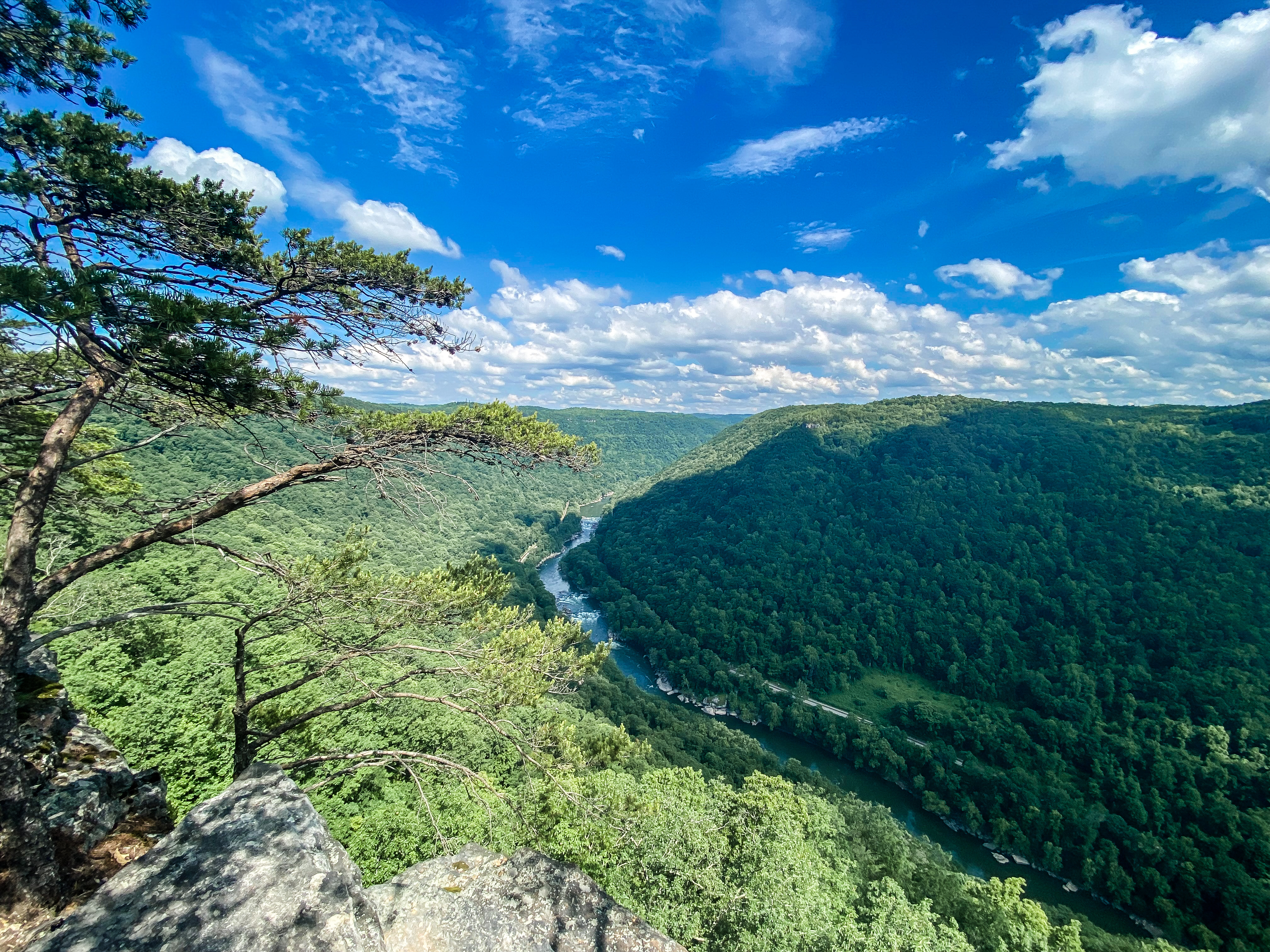
In addition to the more populated and developed areas mentioned above, West Virginia has a lot to offer for foot-travelers who prefer a more remote experience. West Virginia is home to Monongahela National Forest, which encompasses almost 1 million acres of forest land, including more than 800 miles of trails, the 17,000 acre Dolly Sods Wilderness, and the incredibly diverse Cranberry Glades, which are home to over 60 different species of high-altitude plant life. Some of my favorite areas include (~drive time from Charleston in parentheses):
- Dolly Sods and Bear Rocks Preserve (~3.5hr including a long dirt road)
- North Fork Mountain Trail (~3.25hr)
- Gauley River National Recreation Area (~1.25hr depending on where you go)
- Blackwater Wildlife Management Area (~3hr, depending on destination)
Finally, WV has it’s own long-distance trail! The Allegheny Trail runs 288 miles from near the WV-PA border to the WV-VA border. While not entirely complete, it is longest named trail that resides entirely in the state of West Virginia. Additionally, part of the famed Appalachian Trail crosses through West Virginia near the historic town of Harper’s Ferry.
My personal Top 3 WV Hikes:
- North Fork Mountain Trail— North TH to Chimney Top
- Blackwater Canyon Trail to Teresa, Douglas, and Kennedy Falls
- Laurel Creek to Peter’s Creek Falls in Gauley River NRA
Close runner’s up include Endless Wall trail in New River Gorge National Park and Falls of Hills Creek trail.

Waterfalls
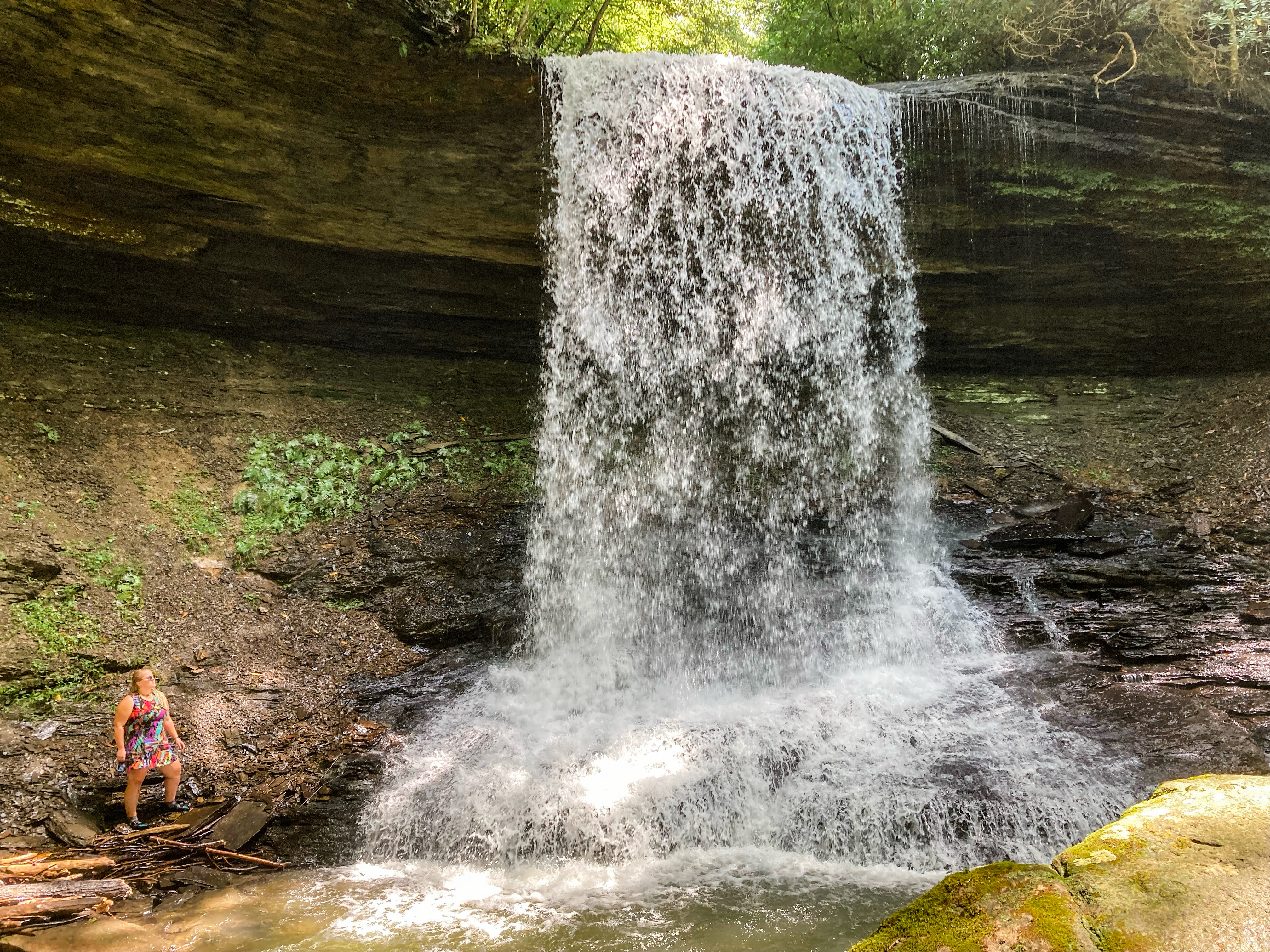
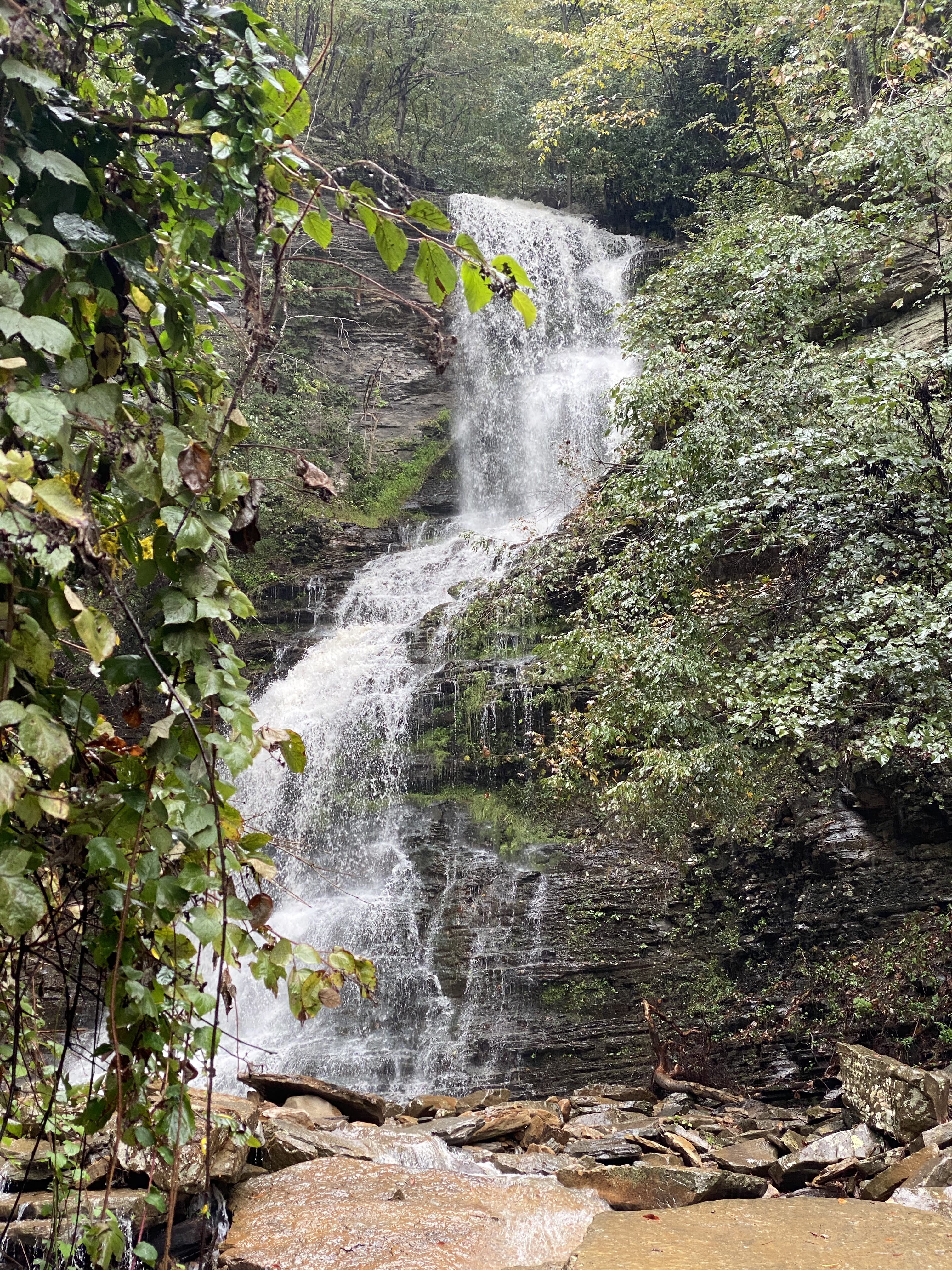
If you love waterfalls, you’ll love West Virginia. From roadside favorites like Cathedral Falls to hard-to-find waterfalls like Peter’s Creek, there are hundreds of waterfalls in the Mountain State. During the seven months I spent living in West Virginia, I saw at least 33 different waterfalls. Many of the waterfalls in the state dry to nearly a trickle during the hot, dry summer months so the best time to see them is usually in the spring. However, I saw some really nice ones in October during hurricane season and throughout the summer after heavy rains.
Top roadside waterfalls with drive time from Charleston:
- Cathedral Falls (~45min)
- Wolf Creek Falls (~1hr) — requires a short scramble down from Fayette Station Road to view
- Blackwater Falls (~3hr) — can be seen from roadside handicap accessible overlook, but best view requires a short walk down wooden steps to the lower viewing platform

My personal Top 3 West Virginia Waterfalls:
- Laurel Creek Falls (~1.5hr)
- Ramsey Branch Falls (~1.5hr)
- Douglas Falls (~3.2hr)
Boating and Water Sports
In addition to the famous New and Gauley Rivers, West Virginia also has four other whitewater rivers that can accommodate rafts: The Cheat, The Shenandoah, The Potomac, and the Tygart. Additionally, numerous smaller whitewater rivers are popular with kayakers. When I first decided to come to West Virginia for the summer, I knew I had to get myself into a raft at least a few times. I had never been down the New or the Gauley, and was stoked for the opportunity to try both. Multiple outfitters offer river trips on both of these rivers, but I chose to raft with Cantrell Ultimate Rafting (and a few times on private trips with friends who work as guides) and had a wonderful experience. The New River runs all summer, and the Gauley is only open for six weeks in September and October of each year. Both are super fun rivers that take you on a wild ride through gorgeous scenery.

One of the highlights of my time in West Virginia was a sunrise raft launch on the New River to watch Bridge Day– a day where base jumpers leap from the famous New River Gorge Bridge– from the river below. This was a unique experience that I was able to have because a friend who owns her own raft invited me down the river. You can also take commercial trips down the New on Bridge Day for this unique vantage point, or check out the vendors and tents up above on the bridge. And hey, if you’re into base-jumping, you can apply to be a jumper.
Can’t miss West Virginia events:
- Mountain Music Festival — first weekend in June
- Gauley Fest — around the 3rd weekend in September
- Bridge Day — 3rd Saturday in October

In addition to whitewater, there are numerous lakes to enjoy. My favorite lake, and quite possibly the most beautiful lake I have ever laid eyes on, is Summersville Lake. I visited Summersville on one of my first free weekends in West Virginia and kayaked to a waterfall that tumbles over a ledge straight into the water. On several subsequent trips, I swam in the clear, clean waters or sunbathed on the rocks on shore and watched climbers bouldering up the cliffs that plunge straight up out of the lake.
My personal Top 3 West Virginia Swimming Holes:
- Whippoorwill at Summersville Lake (~1.5hr)
- North Fork South Branch Potomac River at the base of Seneca Rocks (~3hr)
- Fayette Station on the New River (~1.25hr)

Climbing
While I haven’t yet reached the confidence and fitness level needed for outdoor climbing, I did befriend several climbers and visit several prime climbing destinations during my time in West Virginia. New River Gorge National Park is home to some of the best rock climbing in the country. Climbers can access the base of Endless Wall via the unofficial Fern Gulch Trail (there are several waterfalls accessible from this trail, too!), or descend to the base of Long Point via a series switchbacks that also take you past a waterfall.
The cliffs around Summersville Lake offer alluring climbing opportunities with a built-in crash pad: the lake. I can’t imagine a less-daunting or more enticing climbing problem in the middle of summer than one where, if you fall, you simply land softly in the cool water below. Outside of these two well-known climbing destinations, there are several off-the-beaten-path climbing locations in Gauley River NRA and other locations outside the national park.
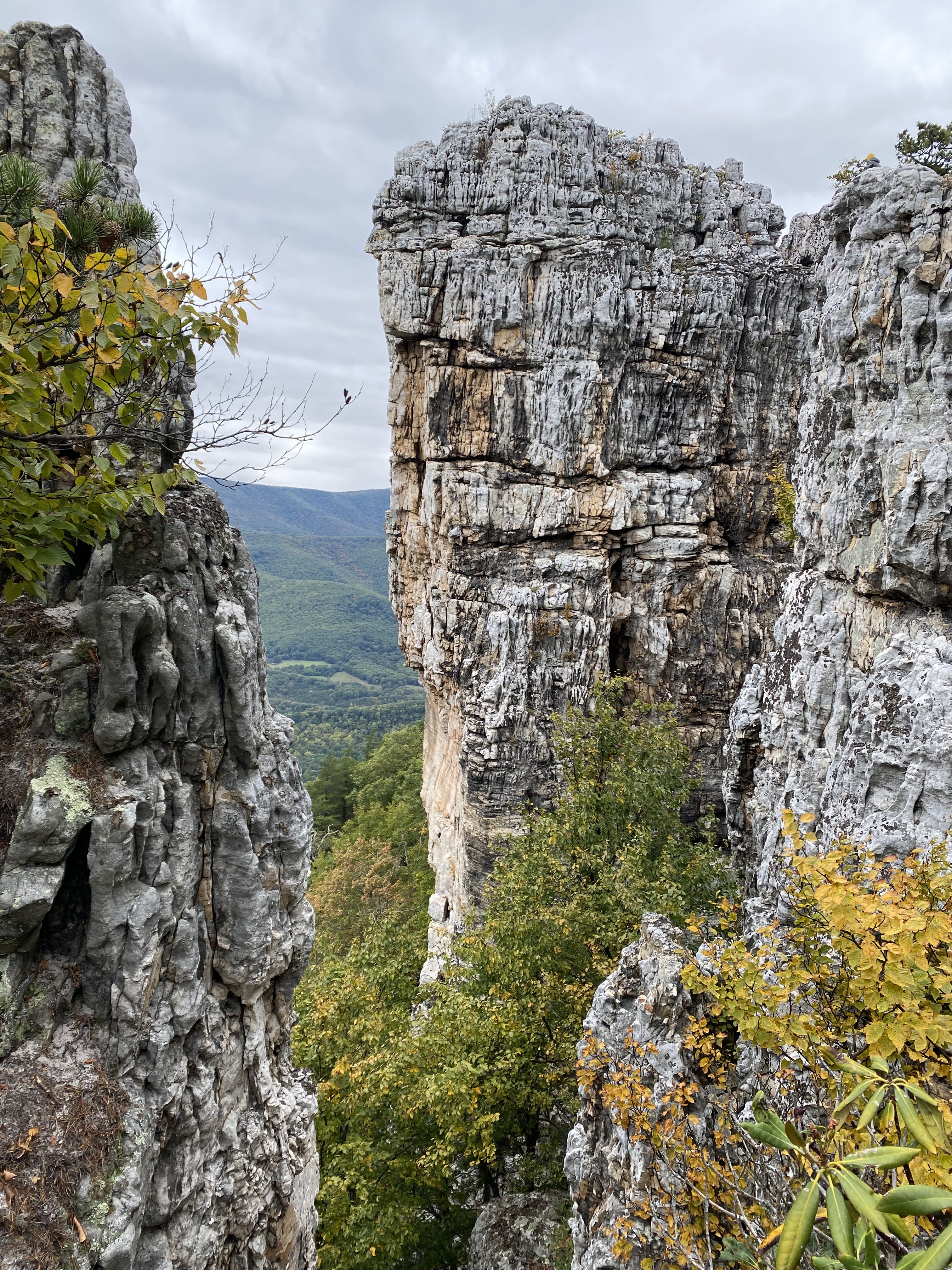
A little further from Charleston and a little deeper into the mountains is Seneca Rocks, another premier climbing destination. Seneca Rocks has to be one of the most unique outdoor recreation areas I’ve ever been to, and if you’re anywhere in the vicinity it’s worth checking out no matter which outdoor pursuits you’re into.
Off-roading/4×4
I am admittedly a major novice when it comes to driving 4×4 roads. I have a very capable 4Runner but I am not yet a very capable driver. That said, I did go down some pretty fun roads while I was in West Virginia, and I discovered to several others to save for later. One of the first I went down was an old commercial rafting take-out road to visit Bucklick Branch Falls. This was only one of many 4×4 roads in the Gauley River NRA, and I could have spent days driving around back there on either side of the river and visiting remote waterfalls and pristine riverside swimming and lounging spots.

In Monongahela National Forest, one of the more popular 4×4 adventures involves driving Backbone Mountain Road between Highway 219 and the town of Davis. There are lots of side excursions to stop and see along this route, including Olson Firetower, Big Run Falls on the Potomac, and the waterfalls of the North Fork Blackwater River. This road is rough and narrow; I drove part way down it from either end on different trips, but didn’t get up the courage to do the entire thing.
Another off-road adventure in the same general area as Backbone Mountain Road is Canaan Loop Road. You can hop on this dirt road just south of the town of Davis and drive it all the way around to Lindy Point in Blackwater Falls State Park. There are multiple trails to stop and hike along the way, with the highlights being Lindy Point and the waterfalls at Blackwater Falls State park once you reach the end (or at the beginning, if you choose to do the loop counter-clockwise). Canaan Loop Road also offers multiple opportunities for roadside dispersed camping. I spent one night solo camping along it and can’t wait for another opportunity to explore more of the off-road adventures that this area has to offer.
My personal Top 3 West Virginia Dirt Roads with distance from Charleston
- Road Across the Sky/FR75 into Dolly Sods Wilderness (~3hr to beginning of road)
- Unnamed Road/old railbed that parallels the Gauley River (~1.25hr to off-road access)
- Backbone Mountain/Backbone Ridge (~2.5hr to off-road access)
Camping
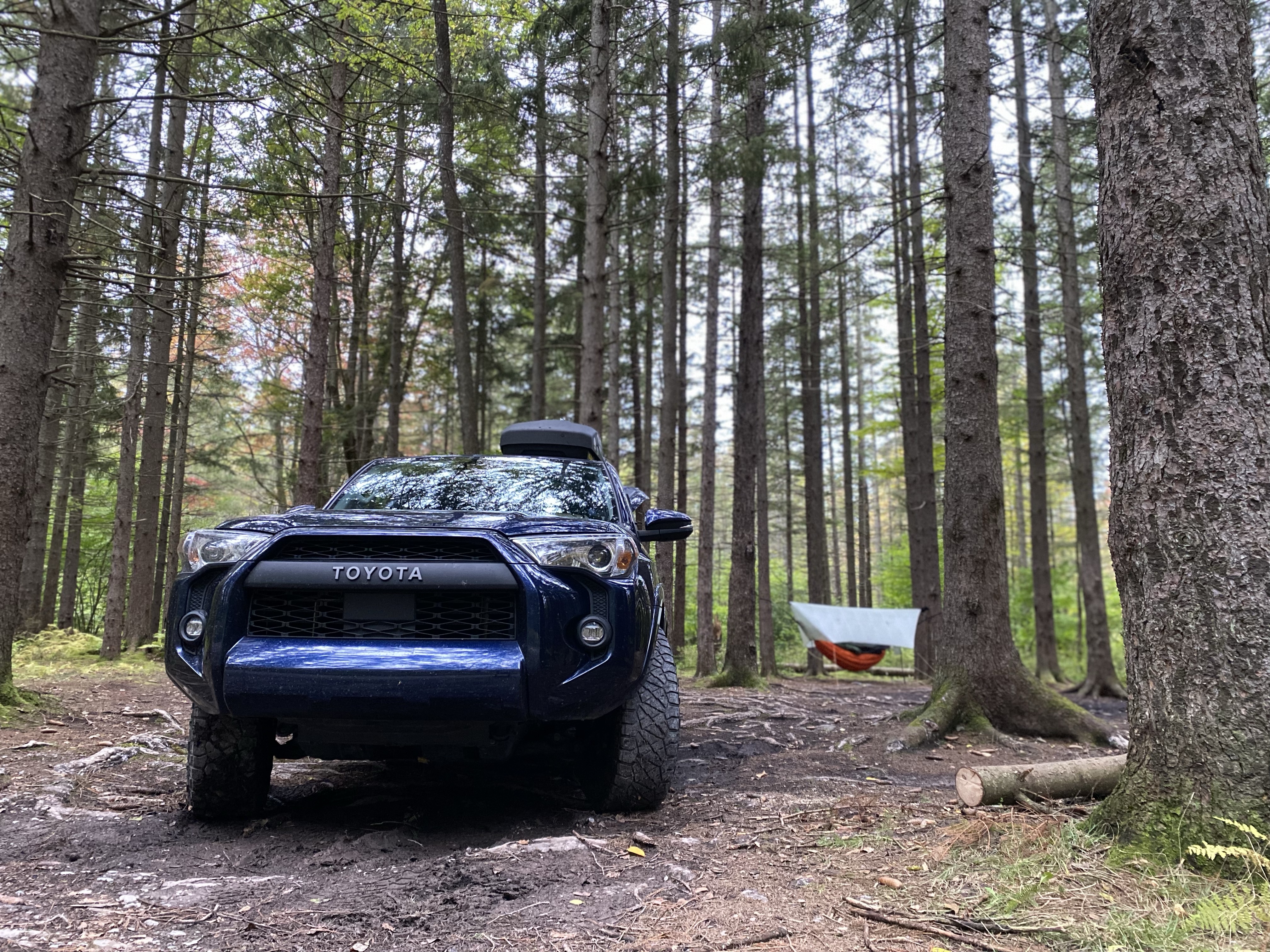
I spent a lot of time camping during the summer I spent living in Charleston. As a travel nurse, I worked a schedule that gave me seven days off in a row every other week, so I was able to spend a lot of time exploring various parts of the state. West Virginia has a ton to offer, from commercial campgrounds and RV resorts to secluded backcountry sites and everything in between. During my time here, I spent most of my time primitive camping in my hammock, so that will be the focus here.
The first few weeks I spent in West Virginia were dedicated to exploring around Fayetteville and New River Gorge. I chose to camp mostly at commercial campgrounds owned by Ace Adventure Resort and Cantrell Rafting. My main choice for this was that these campgrounds have bath and shower houses, and it was so hot during the summer that I had to have a shower after a day spent outside. Another appeal is that both of these campgrounds have an on-site restaurant and bar, and they are inexpensive: right around $15/night. If you’re in the Fayetteville area and want a more primitive camping experience, New River Gorge has several official campgrounds that are totally free, though basically none of them have cell signal and beginning on 2023 will require a reservation to use. Backcountry camping is allowed anywhere in NRG NP for free, no permits or reservations required.

There are several commercial or federally managed campgrounds along the banks of Summersville Lake, but I didn’t stay at any of them. Instead, I chose to stay at a free campground at the base of the Summersville Dam. This free campground was super small with only 10 sites, first come-first served, and had a bath house nearby with pit toilets. This free site fills up quickly on weekends, and I had a small problem with off-leash dogs (despite multiple signs stating dogs must be leashed). I’ve heard this is a common problem here, but hey, it was free and a great basecamp for exploring the lake and nearby hiking trails.
Most of the state parks in West Virginia offer camping, though this tends to be more expensive than other options. The only state park I stayed at was Blackwater Falls SP, and while the campground was nice with a clean shower house and friendly hosts, it was crowded and noisy. One of my favorite ways to camp ended up being forest service campgrounds, which were clean, inexpensive, and often offered bath and shower houses. Stuart Campground in Monongahela National Forest ended up being one of my favorites, with nice bath houses and friendly hosts. It’s also on the same road as Bickle Knob Firetower, which was one of my favorite towers in the state. Another favorite campground was Seneca Shadows, which had great shower houses with hot water and caters to campers of all sorts (RVs, tents, groups, hammocks, etc.)

If free, less-crowded camping is what you’re after, I also did a bit of dispersed camping at several free sites along 4×4 roads. There are lots of areas in West Virginia that offer this as an option, including Canaan Loop Road and Backbone Mountain Road, mentioned above. One of the BEST campsites I found during my explorations was along Backbone Mountain Rd near the waterfalls of Blackwater Wildlife Management Area, along the Allegheny Trail. Another prime spot for dispersed camping is the Bear Rocks Preserve in Dolly Sods Wilderness; I didn’t get an opportunity to camp here but did scout out a few cool campsites both along the “Road Across the Sky” aka FR75 and up on the rocks themselves. Campers that want a few more amenities will find tent pads and pit toilets at Red Creek Campground along FR75.
My personal Top 3 West Virginia Campgrounds with distance from Charleston
- Cantrell Rafting Campground (~1.25hr)
- Seneca Shadows Campground (~3hr)
- Stuart Campground (~2.3hr)
With so much to do, I ended up staying in West Virginia for a whopping seven months! One 13 week contract wasn’t enough to see and do all that I wanted to do. There’s still so much I want to do that I’m contemplating returning for another contract in the near future. Have you been to West Virginia? If so drop your recommendations in a comment!


For the travel nurses:
- Where I worked: CAMC Memorial ER in Charleston, WV
- ~30 bed ER (with hallway beds)
- 3:1 nurse/patient ratio
- Flexible scheduling (I worked a 3 on/1 off/3 on/7 off schedule the whole time I was there)
- My agency: Journey Healthcare Solutions
- My recruiter: Macy@workwithjourney.com
 Adventure Like A Girl