
Picture it: the Appalachian Trail, 2015. It’s mid-May and I’m STOKED to be heading to Trail Days from Hot Springs after having hiked 180 miles. I spent every single one of those first few weeks of the trail hating the REI Joule 15 degree sleeping bag I’d bought for this adventure. You know, the one I heavily researched and thought I was making a great decision in purchasing? Yeah, that one. I LOATHED that bag. It took the term “mummy bag” very seriously. I could not tolerate zipping the thing and most nights I left it unzipped, slipping my feet into the footbox and shivering throughout the night because the 15 degree rating it carried only actually kept me warm down to about 45 degrees. But now, I was headed to Trail Days, and I was going to buy a new sleeping bag while I was there, or so I thought.
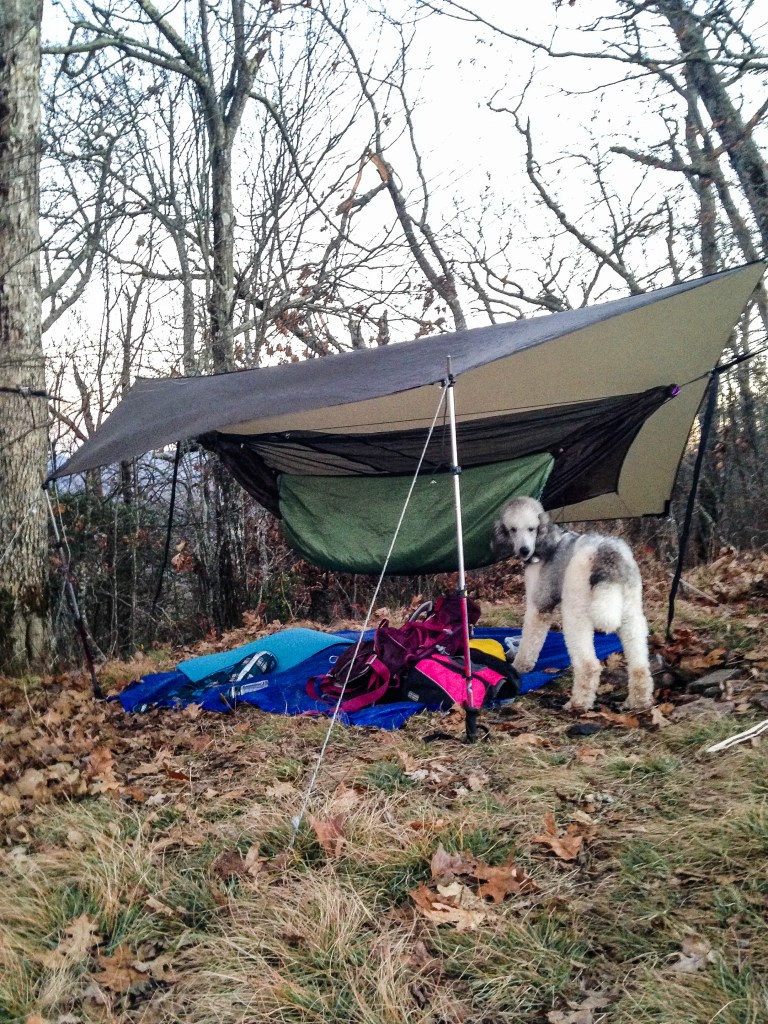
Back in 2015 things looked a little different on the Appalachian Trail than they do today. Osprey, ULA, and Gregory packs dominated the field, as opposed to the super mega ultra light frameless packs that are more popular today. If you can believe it, only 3.6 measly percent of thru-hikers were wearing Altras back then (insert mind blown emoji here), compared to now when Altras have been the most popular footwear brand for years and nearly all thru-hikers wear trail runners. Oh, and almost everyone used a sleeping bag, with Marmot, Kelty, and Western Mountaineering making up a huge majority of the brands used. While a couple of quilt brands are listed as being used by a small percentage of hikers in this very well researched article on the trek, quilts are otherwise not even mentioned.
Fast forward to the present: over half of all thru-hikers report using quilts instead of sleeping bags, and that number continues to grow every year. Now, hammock users have always been a bit ahead of the game when it comes to quilts than other backpackers, with a high percentage of hammock users having used quilts all along. I was one of only a handful of hikers using a hammock on the trail in 2015, but I had not yet heard of backpacking quilts. This brings us back to Trail Days, 2015, where I met the Jacks ‘R’ Better crew and became a quilt convert for life.

What is Jacks ‘R’ Better? Well, I’m so glad you asked! They are my all time FAVORITE quilt manufacturer, and I’m here to tell you why they should be yours, too. Jacks ‘R’ Better, I’ll call them JRB for short from here out, has been making high-quality backpacking gear since 2004, years before anyone else in the quilt game. For over 20 years they have been perfecting their design, always manufacturing their products in the US, and standing behind the products they produce. I walked away from Trail Days in 2015 with a new JRB quilt and mailed my old sleeping bag home the same day. I haven’t used a sleeping bag since.
Wait wait, Tink, what exactly is a quilt and why is it better than a sleeping bag?
Backpacking quilts have become all the rage over the last few years. This is directly due to the fact that most long-distance backpackers want to save weight by any means possible, and quilts are simply lighter weight by design. But what exactly is a quilt? First of all, a quilt is an alternative to a sleeping bag. You don’t need or want to carry both. Instead of zipping around you, creating a “burrito” or “mummy” effect, quilts are designed to drape over you and be tucked in at the edges. This provides more comfort, freedom of movement, and thermoregulatory capability while cutting down on weight, bulk, and materials.
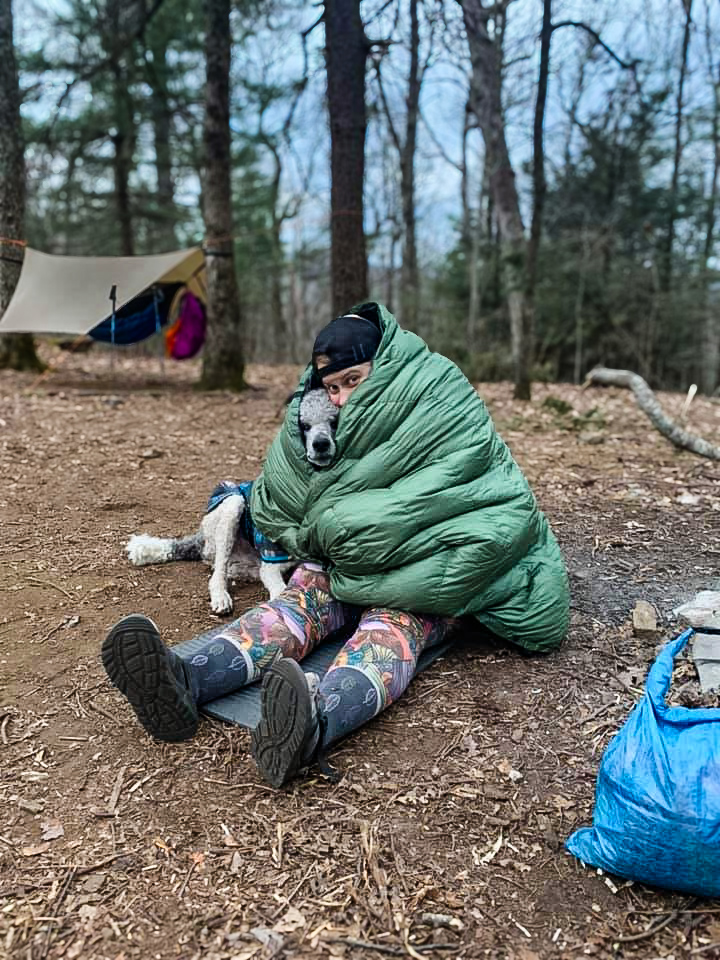
If you think a quilt would be less warm than a traditional sleeping bag, think again! When you lie down and zip into a traditional sleeping bag, whatever material is underneath your body is being compressed by your body weight. Sleeping bags (and quilts) keep you warm by lofting — meaning the insulating material, often down or a synthetic alternative to down, spreads out and traps air in the spaces between the material. Your body heat warms this air and in turn keeps you warm. If the material can’t loft, such as in a situation where you’re… ahem… lying on top of it, then it is useless at providing warmth. This basically means that whatever part of the sleeping bag is under your body weight is useless, wasted material (and weight!). Quilts eliminate this excess while providing loft and warmth where it matters: on top of and around your body.
Ok, you’ve convinced me, but why should I buy a JRB instead of other brands?
In my opinion, Jacks ‘R’ Better are not only equally or more well-made than most of their competitors, but they also have superior customer service and a competitive price tag for what you get. But don’t just take my word for it. Let’s crunch some numbers.
| Brand/Model | Temp Rating (°F) | Weight | Fill Power (fp) | Base Cost |
|---|---|---|---|---|
| JRB Hudson River | 20° | 17.6oz | 1000fp | $390 — includes 25% overfill |
| Feathered Friends Flicker | 20° | 25.8oz | 950fp | $529 |
| Enlightened Equipment Revelation | 20° | 19.18oz | 850fp | $315 |
| Hammock Gear Burrow | 20° | 22.31oz | 850fp | $290 |
| Katabatic Gear Flex | 22° | 22.8oz | 900fp | $439 |
| Sierra Madre Puffle (d0wn) | 20° | 37.2oz | 650fp | $349 |
As you can see, the JRB Hudson River is not only one of the lightest weight quilts on the market, it’s also one of the most competitively priced for what it is. In this chart, I compared ~20 degree down quilts with base options selected to calculate weight and price. Most of them are customizable, which can dramatically change the weight and price. Most of these brands also have quilts with different temperature ratings, and those will be lighter or heavier depending, but you get the idea.
In conclusion,
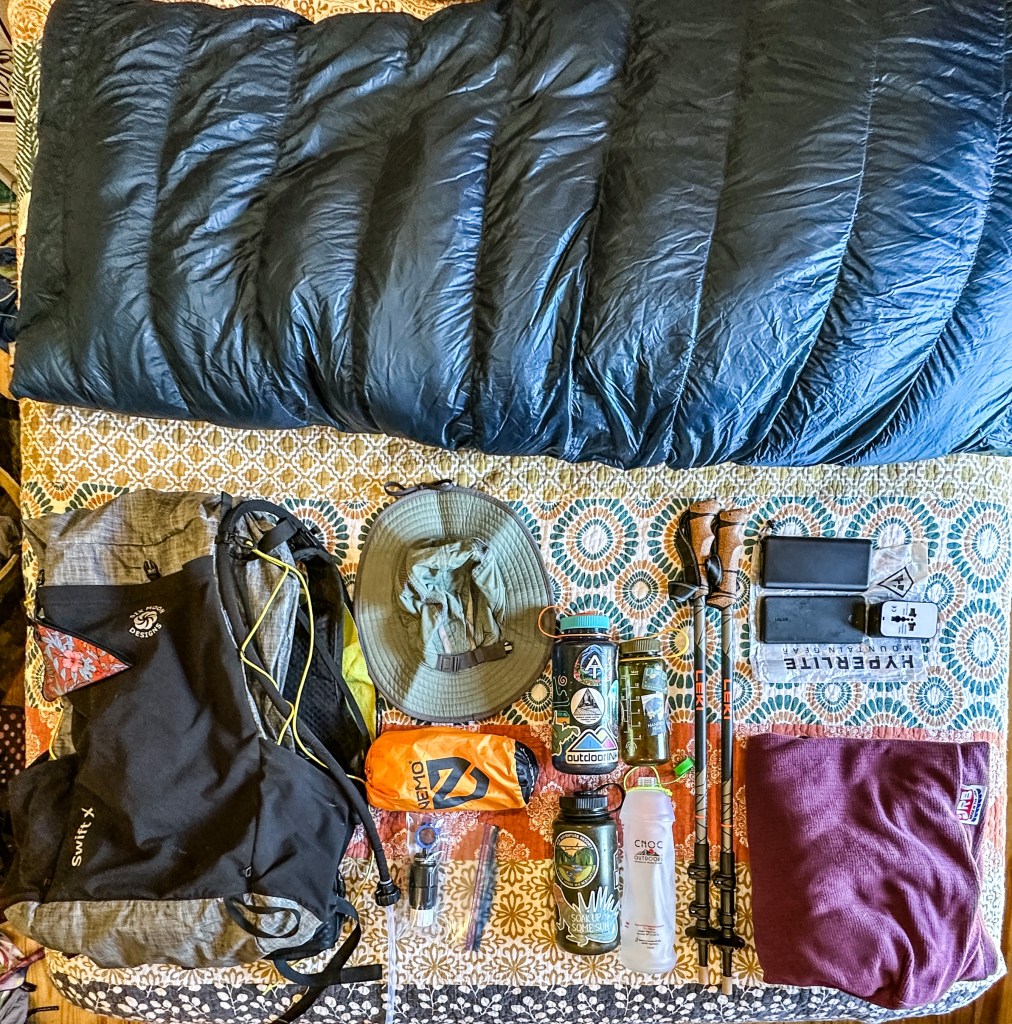
I have owned three JRB quilts and they have all performed extremely well for me over the years. I took their Big Meadows UL 0° up Kilimanjaro and backpacking in Iceland and stayed toasty. Jacks ‘R’ Better have exceeded my expectations in every category, and they’ve won a fan for life in me. If you’re in the market for a quilt in the future, I hope you’ll consider them, too! Want to see one in person before committing? Reach out to me (I generally always have one with me), visit their booth at Trail Days (3rd weekend in May every year– and JRB has been at Trail Days every year since 2004!), or follow their Instagram to catch up with them at one of the many trail events they attend every year.
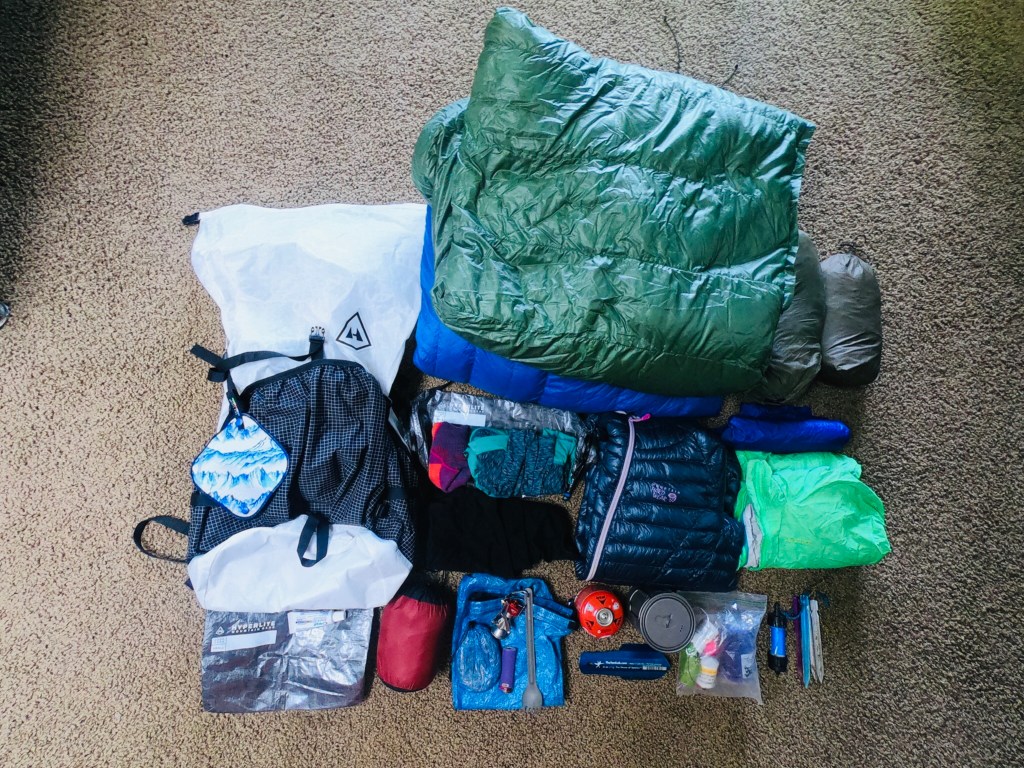
Disclaimer: JRB provided me with a 0° quilt at no cost as a gift to me in support of my Kilimanjaro trek. They also provided me with a replacement quilt at no charge when my original JRB quilt was stolen in a vehicle break-in days before I left for a summer backpacking trip to Colorado. I have and would pay full price for these items, they are THAT good, but am thankful to JRB for their support of my endeavors over the years!
 Adventure Like A Girl
Leave a comment